What Crops Benefit Most from Trichoderma?
Trichoderma is a genus of beneficial soil fungi widely used in agriculture for biological disease control, root development enhancement, and soil health improvement. Scientific studies confirm that different crops respond differently to Trichoderma depending on soil conditions, pathogen pressure, and crop physiology.
This guide explains, with factual and scientific clarity, which crops benefit most from Trichoderma application and why.
1. Cereals (Rice, Wheat, Maize)

Cereal crops are highly susceptible to soil-borne pathogens such as Fusarium, Rhizoctonia, and Pythium. Research shows that Trichoderma colonizes the rhizosphere (root zone) and reduces pathogen load through:
Mycoparasitism
Enzymatic degradation (chitinase, β-1,3-glucanase production)
Competitive exclusion
Observed Agronomic Benefits
Improved seed germination
Reduced root rot incidence
Increased tiller formation in wheat
Enhanced nutrient uptake efficiency
In maize, Trichoderma has been shown to increase root surface area, improving phosphorus and micronutrient absorption.
Yield Impact
Field studies indicate moderate but consistent yield increases when used under disease pressure conditions, especially in rain-fed and stress-prone systems.
2. Vegetable Crops (Tomato, Chili, Cucumber, Brinjal)
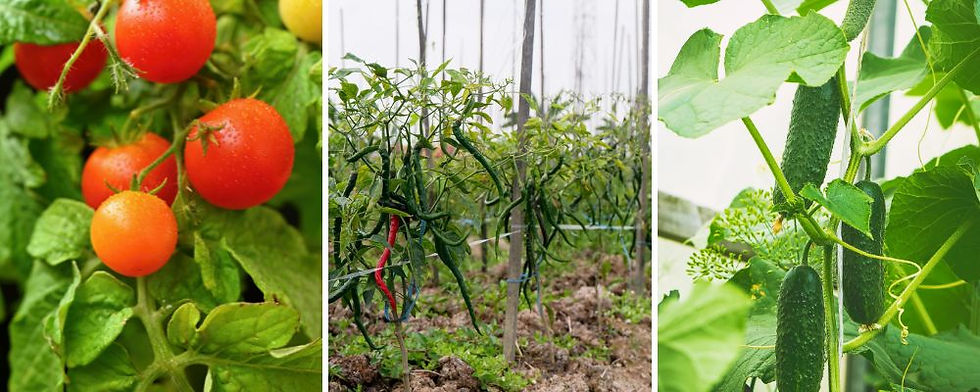
Vegetables are highly vulnerable to damping-off, wilt, and root rot diseases. Trichoderma suppresses pathogens like:
Fusarium oxysporum
Pythium spp.
Sclerotium rolfsii
It also produces plant growth-promoting compounds that stimulate root elongation.
Physiological Effects
Increased lateral root formation
Better transplant survival
Enhanced flowering consistency
Reduced stress after transplantation
In greenhouse vegetable production, Trichoderma improves nutrient uptake efficiency, especially phosphorus.
Yield and Quality Improvement
Vegetable crops often show improved fruit size, uniformity, and plant vigor due to healthier root systems.
3. Pulses (Chickpea, Lentil, Pigeon Pea)

Pulses depend heavily on root health and nitrogen fixation. Although Trichoderma does not fix nitrogen directly, it enhances root vigor and improves symbiotic interactions with nitrogen-fixing bacteria.
Benefits in Pulses
Reduced collar rot and root diseases
Better nodulation support
Enhanced drought resilience
Improved early seedling establishment
Soil Interaction
Because pulses are often grown in marginal soils, the soil-conditioning effect of Trichoderma becomes particularly valuable.
4. Fruit Crops (Banana, Citrus, Mango, Papaya)

Fruit crops remain in soil for long periods, increasing exposure to soil pathogens. Trichoderma offers sustained rhizosphere colonization.
In Banana:
Reduces Panama disease severity
Improves root mass
In Citrus:
Suppresses root rot pathogens
Improves nutrient uptake
In Mango:
Enhances root growth in nursery stage
Reduces transplant shock
Long-Term Benefits
Improved soil microbial balance
Better root regeneration
Increased fruit-bearing consistency
Perennial crops benefit particularly from repeated soil applications.
5. Plantation Crops (Sugarcane, Tea, Coffee)

Plantation crops are exposed to chronic soil fatigue and pathogen buildup.
In Sugarcane:
Controls red rot and sett rot pathogens
Improves sett germination
In Tea and Coffee:
Reduces root diseases
Improves soil organic matter decomposition
Agronomic Impact
Increased biomass accumulation
Improved ratoon crop performance
Better nutrient recycling
6. Oilseeds (Groundnut, Mustard, Soybean)

Oilseed crops are susceptible to soil-borne fungal pathogens that reduce pod development.
Observed Benefits
Reduced seedling mortality
Better root nodulation in soybean
Enhanced nutrient uptake
Improved pod filling
In soybean, Trichoderma has been shown to stimulate root branching and increase plant biomass under moderate stress.
Why Some Crops Respond More Strongly
Crops benefit most when:
Soil pathogen load is high
Organic matter is present
Root systems are sensitive to disease
Crop duration is long
Vegetables and fruit crops often show more visible benefits because they are more disease-sensitive compared to cereals.
Crop Category | Primary Benefit | Scientific Mechanism |
Cereals | Disease reduction | Mycoparasitism |
Vegetables | Root stimulation | Growth-promoting metabolites |
Pulses | Root health support | Rhizosphere enhancement |
Fruits | Long-term disease control | Sustained colonization |
Plantation crops | Soil health improvement | Organic matter decomposition |
Oilseeds | Seedling protection | Competitive exclusion |
Research confirms that Trichoderma benefits a wide range of crops, but the most significant impact is observed in:
Vegetables
Fruit crops
Plantation crops
These crops are more vulnerable to soil-borne pathogens and respond strongly to rhizosphere enhancement.
Cereal crops also benefit, particularly under disease stress conditions, while pulses and oilseeds show moderate but consistent improvements.
The effectiveness of Trichoderma depends on:
Correct strain selection
Proper application method
Suitable soil moisture
Avoidance of chemical fungicide interference
When integrated properly into farming systems, Trichoderma supports improved crop health, sustainable soil management, and long-term agricultural productivity.


Comments